


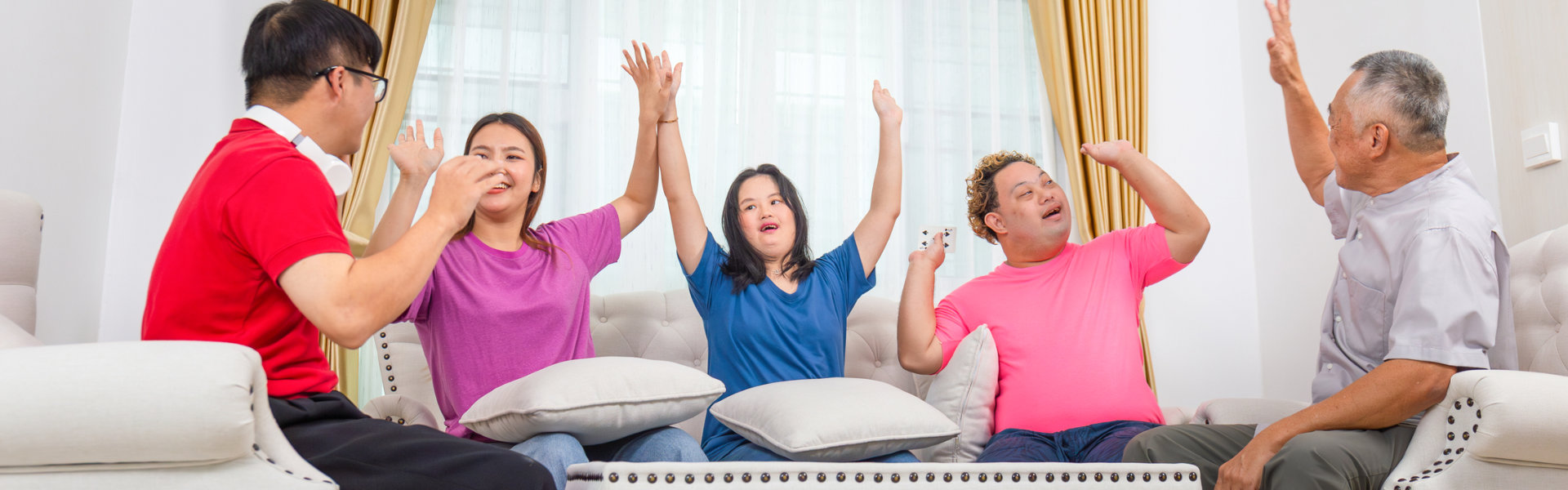
Residential Habilitation Services (IRSS/Host Home) at Comfort Home Care, Inc. are designed for individuals with intellectual and developmental disabilities who want to live as independently as possible, while still receiving the support they need, when they need it. As part of comprehensive residential habilitation services in Colorado, we offer 24/7 daily assistance in flexible residential settings that reflect the person’s preferences, lifestyle, and goals for community living. Our services are delivered through two supportive models: the Personal Care Alternative (PCA) and the Host Home.
In the Personal Care Alternative (PCA) model, individuals typically live in groups of one to three in a shared setting, such as an apartment, house, or home leased or owned by Comfort Home Care, Inc. These environments are designed to be flexible and responsive to each person’s unique support needs. The PCA model offers a more communal structure while still allowing each individual to maintain personal routines, participate in household decisions, and access the community in informed and meaningful ways.
In the Host Home model, individuals are matched with compassionate caregivers, couples, or families who open their homes to provide long-term, family-style support. This model typically supports one or two individuals per household, though a three-person setting is possible if all individuals agree and the environment fits their needs. Host Homes offer a more intimate and relational living experience, promoting natural supports, community inclusion, and a sense of family. Individuals are supported in living as independently as possible while receiving daily assistance with personal care, safety, and goal-oriented community activities.
We take an active role in developing each person’s Individual Services and Supports Plan (ISSP) and remain a key part of their Interdisciplinary Team (IDT). Our team conducts monthly service monitoring, coordinates nursing care and dietary needs, and provides 24-hour on-call support. If the current living environment no longer meets the person’s needs or preferences, we also offer transition assistance to explore alternative service providers.
What You Can Expect:
- 24/7 daily support in residential settings
- Flexible options: PCA (shared living) or Host Home models
- Person-centered planning through an Individual Services and Supports Plan (ISSP)
- Monthly service quality monitoring and regular care team coordination
- 24-hour on-call staff support
- Nursing support and special diet accommodations
- Accessible homes with individualized living arrangements
- Transportation to medical appointments and community access
- Medication administration and health-related supports
- Opportunities to build meaningful relationships and community involvement
- Transition assistance if another provider is a better fit
Creating a Stable and Supportive Living Environment
A consistent and well-supported home environment plays a critical role in long-term well-being. This service is built to reduce uncertainty for individuals who may struggle with daily routines, safety awareness, or social integration. By providing structured support within a real home setting, individuals gain a sense of stability that supports both emotional and physical health.
Each residential arrangement is designed to feel familiar and adaptable rather than clinical. This approach helps individuals build confidence in managing their day-to-day lives while staying connected to their community. Over time, this stability often leads to improved independence, stronger routines, and a greater sense of belonging.
How the Service Models Support Different Needs
Not all individuals thrive in the same type of living arrangement, which is why flexibility is central to this service. The PCA model works well for those who benefit from a shared living setup with structured support and peer interaction. It encourages collaboration, shared responsibilities, and social engagement.
On the other hand, the Host Home model is better suited for individuals who prefer a quieter, family-style environment. This setup provides deeper one-on-one support and fosters long-term relationships within a household. Both models are designed to adapt as needs evolve, ensuring continuity of care without disrupting progress.
Coordinated Care and Ongoing Monitoring
Consistency in care is maintained through structured coordination and regular oversight. The involvement of an Interdisciplinary Team ensures that all aspects of an individual’s needs are addressed—from health and nutrition to behavioral and social goals.
Monthly monitoring enables timely adjustments, keeping services aligned with evolving needs. Access to nursing support and dietary planning ensures that medical and health-related requirements are handled with care and precision. Around-the-clock availability of support staff adds an extra layer of reassurance for both individuals and their families.
What You Can Expect from Residential Support Services
- Safe and structured living environments tailored to individual needs
- Flexible residential options that adapt over time
- Continuous supervision and support for daily activities
- Access to healthcare coordination and medication management
- Opportunities for community participation and social engagement
- Personalized planning through ISSP and team collaboration
- Reliable transportation for essential appointments and activities
- Ongoing evaluation to maintain quality and effectiveness of care
Frequently Asked Questions
What is residential habilitation in a home setting?
How does the Host Home model differ from shared living arrangements?
Why is an Individual Services and Supports Plan important?
How does ongoing monitoring improve service quality?
What types of daily support are typically included?
When is a transition to another provider considered?
How does residential support encourage independence?
Are there any other considerations for choosing residential habilitation?
Explore Our Care Offerings Today
See how our care solutions empower daily living. From in-home assistance to community involvement, we’re here for you. Get in touch with us today.